Sıkça Sorulan Soru

What is an Electric Arc Furnace?

What is an Electric Arc Furnace?

An Electric Arc Furnace (EAF) is a type of furnace widely used in metal melting processes, which generates a high-temperature electric arc to melt metal. These furnaces are particularly preferred in steel production and metal recycling, standing out for their high efficiency, flexibility, and energy savings.

How Does an Electric Arc Furnace Work?

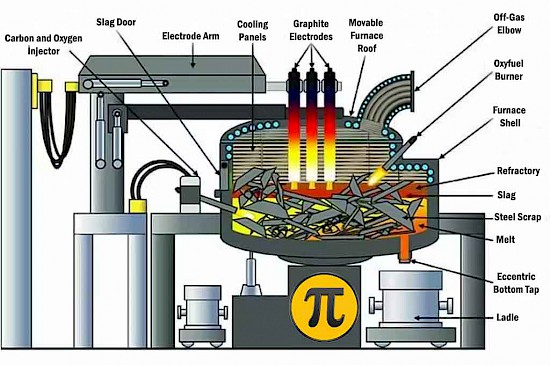
The EAF process consists of four main stages:

  • Charging: This is the first step of the process. Raw materials such as scrap steel, pig iron, or direct reduced iron (DRI) are fed into the furnace. In modern systems, this operation is carried out with a high level of automation using cranes or containers called “baskets.”

  • Melting: After charging, the electrodes are lowered into the furnace and high voltage is applied. The resulting electric arc raises the temperature up to 3,500°C, melting the metal.

  • Refining: Once the metal is melted, it is purified. Oxygen is blown in to remove impurities such as carbon, phosphorus, and sulfur, and a slag layer is formed using materials like lime.

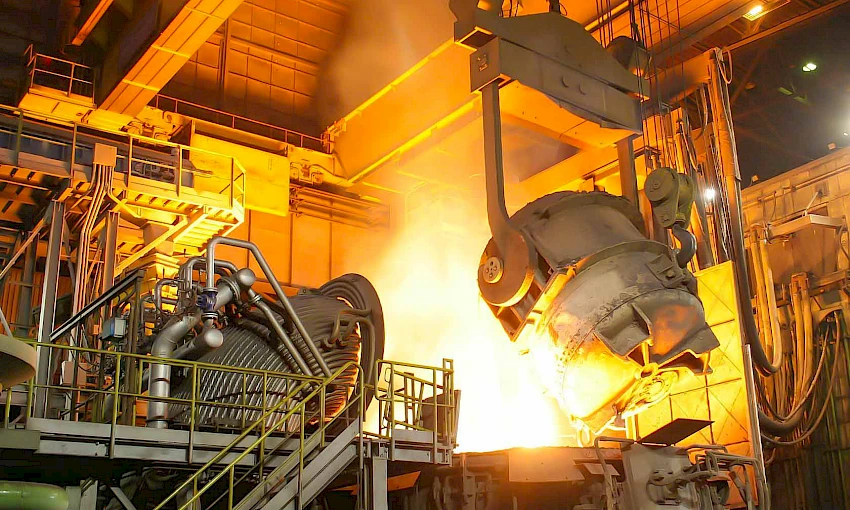
  • Tapping: In the final stage, the molten steel is poured into ladles (transport containers). During this operation, temperature and slag control are critically important.

Capacity and Types of Electric Arc Furnaces

There are different types of EAFs available depending on the application:

  • Indirect Electric Arc Furnace (AC EAF): Uses alternating current. It is the most common type; flexible and capable of melting almost any type of scrap. Ideal for small and medium-sized operations.

  • Direct Electric Arc Furnace (DC EAF): Uses direct current. It typically contains a single graphite electrode, which results in lower electrode consumption and reduced operating costs. It is quieter and has high energy efficiency.

  • Submerged Arc Furnace (SAF): Used mainly for producing ferroalloys (manganese, chromium, etc.) rather than steel. The electrodes are embedded within the charge material.

Advantages of an Electric Arc Furnace

  •  Eco-Friendly Recycling: Enables sustainable production by reusing scrap metal.

  •  Energy Efficiency: Consumes 55% less energy compared to traditional methods.

  •  Flexibility: Capable of processing various metal compositions.

  •  Fast Production: Can produce 400 tons of liquid metal in just 90 minutes.

  •  Lower Carbon Emissions: Produces significantly less CO₂ emissions compared to conventional blast furnaces.
 

Main Components of an Electric Arc Furnace

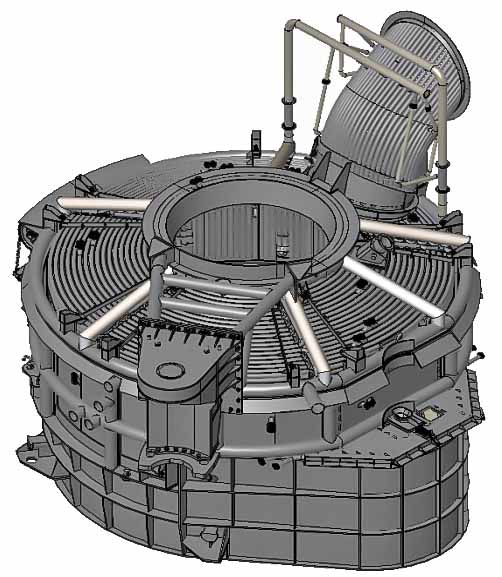
An EAF system consists of the following basic parts:

  • Shell and Roof: Made of heavy-duty steel plates resistant to high temperatures. The roof can be opened for charging and electrode entry.

  • Furnace Lining: Made of refractory materials; protects the furnace shell and provides thermal insulation.

  • Charging System: Cranes or conveyor systems that load scrap into the furnace.

  • Transformer: Converts grid electricity to the appropriate voltage and regulates the current.

  • Cooling System: Usually uses water-cooled panels; absorbs excessive heat and extends furnace life.

  • Dust Collection System: Captures and filters harmful dust generated during operation.

Where Are Electric Arc Furnaces Used?

  •  Steel Production: Melting recycled scrap steel to produce new steel.

  •  Metal Recycling: Processing waste metal for reuse.

  •  Special Alloy Production: Manufacturing stainless steel, cast iron, and other specialized metal alloys.

Electric Arc Furnace Costs and Prices

Difference from Other Furnaces: Blast furnaces use coke coal and iron ore, whereas EAFs use electricity and scrap. Induction furnaces are suitable for smaller quantities, while EAFs enable large-scale production. Due to these and similar factors, prices are not fixed; they vary according to your process and plant structure. To receive a quotation from our expert team, please click.

Electric arc furnaces are an indispensable technology for sustainable and cost-effective steel production, making them one of the most crucial components of today’s modern metal industry.


Click for Electric Arc Furnace Manufacturing Services!


Writer:

Professor Doctor Mustafa Yaşar

Industrial Design Engineer

[email protected]

Google Scholar

Son Blog Yazıları

Properties of Acids and Bases
What Is Industry 4.0
Differences Between Soft Seal and Mechanical Seal
What is a Soft Seal
What is a Soft Seal 04-10-2025
What is a mechanical seal
What is an Electric Arc Furnace?
What Is Chemical Reaction
Scrubber Nedir
Scrubber Nedir 17-02-2025
What is Viscosity?
What is Viscosity? 11-02-2025
What is Aces
What is Aces 29-11-2024
What is Biogas Upgrading?
What is a Reactor?
What is a Reactor? 01-11-2024
What is a Heterogeneous Mixture?
What is a Polyester Production Plant?
What are the Types, Forms, and Applications of Dished Ends?
What are the Types of Flanges?
What is Distillation and What are the Methods?
How is Mineral Oil Produced?
What is a Mixing Tank/Agitated tanks?
What is an Evaporator? How is an Evaporator Manufactured?
What are Industrial-Type Blenders?
What are the Types of Plasticizers?
How is Polyester Resin Produced?
What is a Continuous Reactor?
Pressure Equipment Directive (PED) 2024 EU
What are Food Processing Machines?
Importance of Fluid Mechanics in the Chemical Industry
What is a Homogeneous Mixture?
What is a Chemical Storage Matrix?
What are the Laws of Thermodynamics?
What is a Shell and Tube Heat Exchanger?
What is Gas Tungsten Arc Welding (GTAW)?
What is a Batch Reactor?
What is Polyurethane?
call

Contact

Phone : +90 536 233 30 76
Email : [email protected]

home

Address

Address : Ovacık Mah. Mimar Sokak No:10
Başiskele / KOCAELİ / TÜRKİYE

like

Follow us